
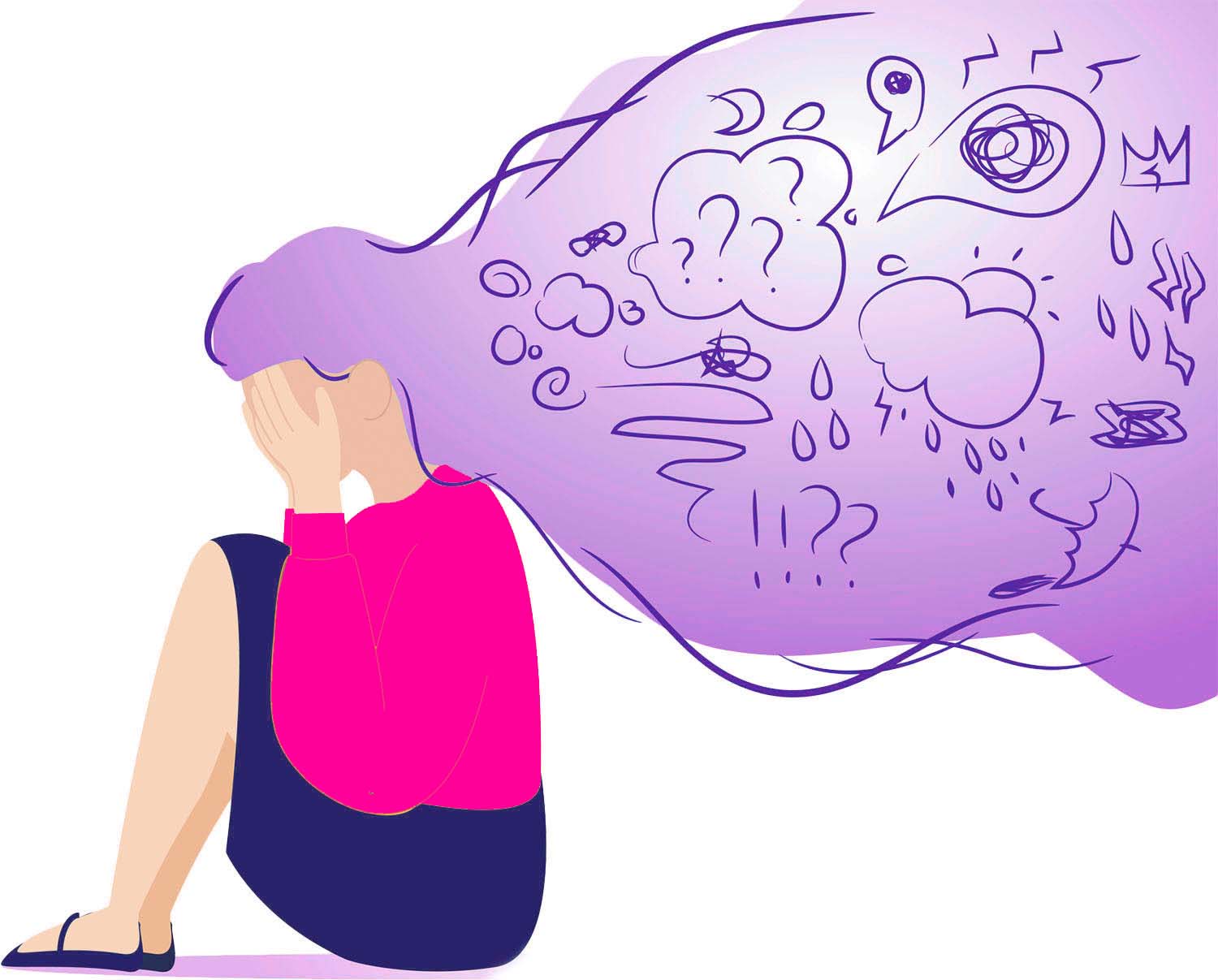
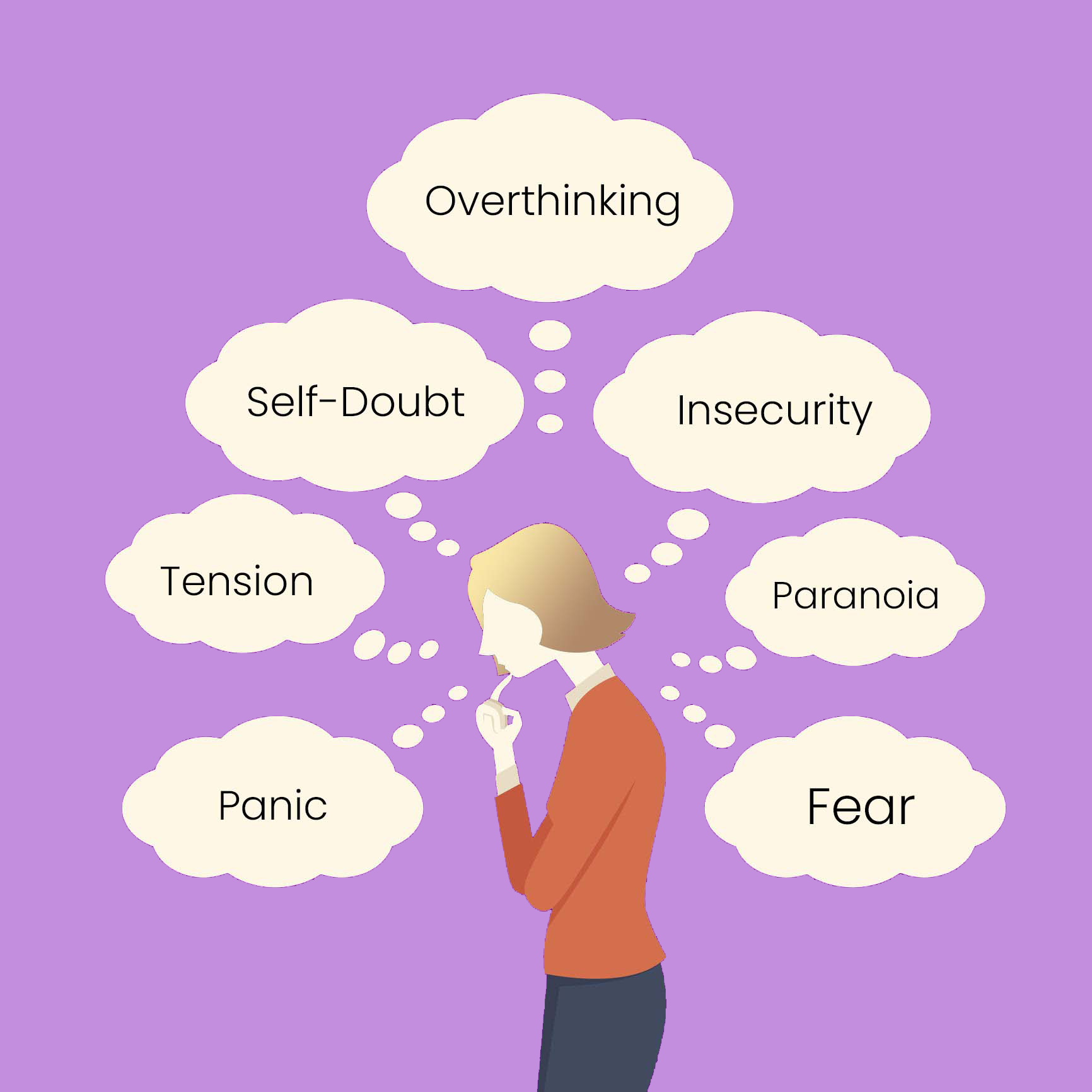
A lot of people deal with anxiety at some point in their lives. It could show up as a beating heart before a big meeting, sleepless nights full of unending thoughts, or a strong fear for no clear reason. It’s normal to worry sometimes, but constant unease can make it hard to do things and be with other people. When you have easy, useful strategies, it’s easier to deal with the stressful parts of life. Getting into good habits and doing things that help you can improve your mental health and help you feel stable and calm.
You don’t have to be perfect or make big changes in your life to use these tools. They instead focus on taking small, steady steps that bring balance. When done regularly, these techniques make you stronger and more comfortable. They help us remember that we can find peace of mind. We will talk about different ways to make each day feel lighter, calmer, and easier to handle in the parts that follow.
The Power of Mindful Breathing
One of the easiest and most effective ways to calm down is to breathe slowly and deliberately. When you take slow, deliberate breaths, your mind stops rushing and your focus moves to the present moment. This lets you connect with your body more deeply. This simple action signals to the nervous system that everything is safe, which helps ease stress in the body. You can work on your breathing at a desk, in the car, or while lying in bed to help manage anxiety. Concentrated breathing for even a short time can be a valuable tool to help cope with anxiety.
A frequent method is to take a deep breath in for four seconds, hold it for four, exhale for six, and then take a little break before repeating, which can help ease anxious thoughts. The heart rate slows down, and the mind calms down to this beat. Regular practice makes you stronger against worry and helps reduce anxiety over time. It also gives you a good way to deal with triggers that come up out of the blue. It is possible to stay calm even during the busiest times by practicing focused breathing every day.
Creating a Supportive Routine
In rough times, having a routine every day can help you stay grounded and help manage anxiety. Setting up habits can help you feel more balanced and less uncertain. A sense of control can arise from simple habits, such as getting up at the same time every day, preparing meals, or setting aside time for rest. When feelings are all over the place, predictability can help you feel better and help reduce anxiety. Small acts of self-care, like reading, writing in a notebook, or stretching, can help the mind and body in addition to structure. Careful attention for just five minutes can make a big difference.
These times don’t have to be long or complicated. A good practice also helps identify negative behaviors like missing meals or staying up late, which can worsen anxiety. Over time, these regular habits develop into a strong foundation for security, helping to alleviate symptoms of anxiety. Instead of reacting to worry without thinking, it is better to do so on purpose using strategies to manage anxiety. A regular schedule doesn’t get rid of problems, but it does give you the strength to handle them with confidence and understanding.
The Role of Movement and Exercise
Being active is a crucial part of managing your emotions. Endorphins are natural chemicals that make you feel good and relieve stress. When your body moves, it releases them. You don’t have to spend hours at the gym to work out. Light stretches in the morning, walking in the park, or dancing to music at home are all great forms of physical activity to help reduce stress and anxiety. Sticking to it is more important than being intense. Moving around regularly is good for your body and mind, contributing positively to your mental health. It clears your mind and gives you a break from thinking too much all the time.
It turns negative energy into something good and stable. A lot of people use exercise as a form of moving meditation, where they can forget about their problems and focus on the beat of their body. Picking things that you enjoy is important because it encourages you to do them regularly. Small amounts of movement add up over time, making a better, more balanced sense of well-being that goes beyond the body.
Finding Calm in Creative Outlets
Another powerful way to manage feelings is to engage in creative activities. Arts and crafts, writing, painting, and music making are all ways to describe yourself without using words. They give you a place to think and let go, which can help you turn your inner tension into something useful and important. Being mindful is also boosted by being creative, because the focus shifts to the job at hand. This concentration helps you stop thinking about things that are making you crazy and find joy in the process itself instead of focusing on the result.
Doodling in a notebook or cooking a new recipe are both simple creative activities that can help you feel calm and accomplished. These outlets also make you stronger by giving you a safe way to deal with strong feelings. Sharing artistic works with others can do more than help you grow as a person. It can also strengthen relationships and encourage support, which is beneficial for those dealing with anxiety and depression. In a world that often expects us to be busy and do everything perfectly, being creative lets us just enjoy the moment. They help us remember that healing can also be fun, bright, and very satisfying.
Building Connections and Seeking Support
Trouble isn’t meant to be dealt with by one person. Asking for help can bring comfort and a new viewpoint during tough times. Talking to trusted friends, family, or teachers makes it possible to be open and receive support. These conversations help us remember that our problems don’t define who we are and that many other people have faced similar ones. Professional help from counselors or therapists can also be very helpful, as they can offer personalized ways to deal with intense feelings. You can find support groups in person or online.
They give you a sense of belonging and approval, which can be particularly important for those experiencing symptoms of anxiety. In addition to official help, connecting with others every day through activities such as spending time with family and friends or volunteering can help people feel like they belong. Being seen and heard makes you stronger and lessens your feelings of being alone. Sharing your feelings can be scary, but it’s the only way to get better. Connecting with others not only supports people but also gives them the strength to persevere with hope and determination.
Ending Note
It can be hard to deal with the problems in life, but small, focused actions can make even the darkest days better. A healthier emotional state is achieved by calming the mind through deep breathing, forming caring habits, moving the body with joy, expressing feelings through creativity, and nurturing connections. These methods aren’t meant to get rid of problems; they’re meant to help you deal with them in a kind and strong way. It takes time to heal, and everyone has a different road.
The most important thing is to find tools that work for you and use them regularly. If you want to find greater inspiration, Kathleen Albertson’s memoir Beautifully Broken is a great book to read with you. Remember that you are not the only one going through hard times by reading her story of strength, courage, and hope. This touching book can help you accept your path, find strength in others, and have faith in the chance to start over, which can help manage anxiety.